2 minute read
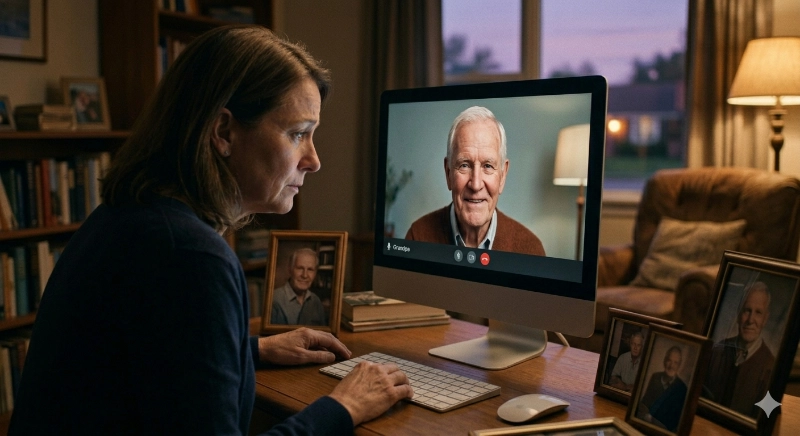
If you’ve spent any time on the internet lately, you’ve probably seen the latest “black mirror” trend that feels like a rejected sci-fi script. People are now using artificial intelligence to “talk” to their dead relatives. This isn’t just a niche hobby for basement-dwelling tech geeks anymore. Startups like HereAfter AI and StoryFile are turning grief into a business model, promising to keep a digital version of your loved ones around forever. This feels like such a bad idea…
The Nuts and Bolts of this Digital Lazarus Effect
The nuts and bolts of this are pretty simple, but the “uncanny valley” vibes are off the charts. These companies scrape old text messages, emails, and voice notes to train a chatbot. The result is a program that mimics the specific tone, slang, and vibe of someone who has actually passed away. For some, it is a modern way to find closure, a way to ask questions they never got to ask or just hear a familiar voice one more time.
Comfort or a Digital Nightmare?
But let’s tackle the part nobody wants to say out loud: Is this actually good for us?
The “pro” side is all about the warm and fuzzies. Researchers suggest these “griefbots” act as a digital bridge, helping people transition through the absolute gut-punch of loss. It’s basically an interactive photo album. Instead of staring at a static picture, you’re engaging with a memory that talks back.
On the flip side, the red flags are everywhere. Psychologists are screaming that this tech can screw with the natural grieving process. Our brains actually need to accept that someone is gone to move forward. If you’re texting a ghost at 2:00 AM, you’re just stuck in a loop of “digital haunting.” Then there’s the massive creep factor of consent. Did the person who died actually want their personality turned into a monthly subscription service? Probably not.
From Screen to Script: The Scarpetta Factor
This exact tension is playing out in the new Scarpetta TV series. The character Lucy is a tech genius who can’t let go of her late wife, Janet. She builds an advanced AI version of Janet to talk to, and it’s a heavy plot point that highlights the dark side of this tech. Lucy spends her days staring at a monitor, but she isn’t healing. She’s just living with a ghost in a machine. In a major reveal, the AI version of Janet eventually tells her that the real Janet never actually wanted to be immortalized this way.
The Ethics of the Upsell
Outside of TV, the ethics get even messier. Researchers at the University of Cambridge pointed out that these bots could eventually be used by companies to “upsell” crap to grieving families. Imagine a chatbot of your grandmother suddenly recommending a specific brand of tea—or worse, a trendy weight loss pill—because some company paid for a placement. Talk about a digital nightmare.
At the end of the day, AI can copy a voice or a typing style, but it can’t actually feel. Whether these bots are a lifeline or a trap depends on the person using them. But as the tech gets better, the line between a digital memory and a digital replacement is getting very thin.
Time to decide if we’re okay with our memories being turned into code and trying to sell us the next trendy weight loss pill.
#AI, #GriefTech, #Scarpetta, #DigitalAfterlife, #Ethics
Sources: The Guardian, Philosophy and Technology Journal, University of Cambridge, Esquire, University of Alabama at Birmingham (UAB) Human Rights Institute, Taylor & Francis Online, The Hastings Center for Bioethics, TIME, Autostraddle
Want to see other great AI articles? Check these out:
- AI Hallucinations in 2026: Still a Problem

- Self-Driving Cars: Ready for Primetime or Still a Highway Pipe Dream?
- SpaceX Bought Cursor for $60 Billion, OpenAI Cut It Off in Days

- Tim Cook Just Gave Up the Chair, and Here’s Everything He Left for John Ternus

- Why I Switched from Openclaw to Hermes