
2 minute read
The buzzword that paid your salary is now a dirty word
There was a stretch where burning AI tokens like there was no tomorrow was basically the job. It even got a name, “tokenmaxxing.” IT was pretty much a push to torch as many tokens as humanly possible. Climb that leaderboard, look like a believer, collect your gold star, insert another cool sounding analogy here. Turns out looking busy and being worth the money are not the same thing, and the invoice showed up and people are freaking out.
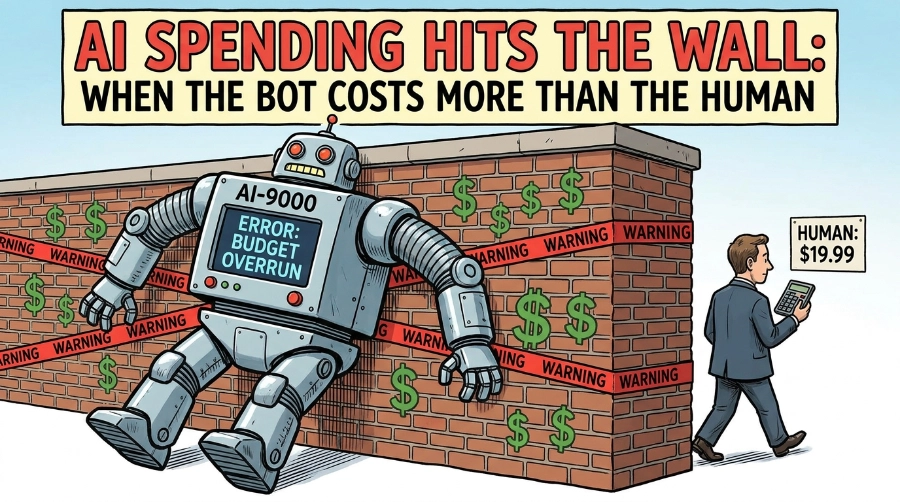
Microsoft pulled the plug? Ouch…
When the company that practically built a shrine to AI, along with OpenAI spend, starts canceling licenses, heads will turn and sweat will start to form. Microsoft began canceling most of its direct Claude Code licenses and pushing engineers back toward its own GitHub Copilot CLI. The reason is what it ultimately always is, cost. Sure, their engineers loved Claude Code, and when you love something you like to use it a lot. The more you use it the uglier the math gets and then finance starts calling.
Uber torched a whole year of budget before spring flowers bloomed
If you want the number that makes a CFO hyperventilate, here it is. Uber’s CTO said the company burned through its entire 2026 AI coding budget in just four months. Just a short while ago they were cheerleading AI adoption with leaderboards showing team usage. Fast forward to now and its not pretty and no one is cheering anymore. Give me a B, give me an I, give me two Ls. What’s that spell? Silence and perhaps a bit of shame?
Hello awkward silence my old friend
Here’s the uncomfortable truth under all of this. Straight from the mouth of Nvidia no less! The bot can cost more than the person. Bryan Catanzaro, Nvidia’s vice president of applied deep learning said that for his team the cost of compute is far beyond the cost of the employees. Token pricing has a nasty twist baked in. The more useful the tool gets, the more people lean on it, and the higher the bill climbs. Efficiency was supposed to make it cheaper. It made it busier.
Cheaper tokens, fatter bills, same headache
You’d think falling token prices would fix this, but that’s a big negative. Gartner figures the cost to run a top-tier model drops nearly 90% by 2030. So what happens in the four years between now and then? Also they say cheaper tokens still won’t mean cheaper AI, because agents devour so many more tokens per task that usage outruns the savings. Goldman Sachs sees token consumption rising 24-fold by 2030. The price per sip goes down while everyone starts drinking like its a never-ending open bar.
So what do you actually do about it
Don’t rip it all out and don’t bragg about it from the sidelines. The move is using this stuff like a grown-up with a budget. Set limits before someone checks the weather forty times on the company dime. Point it at work that makes money instead of the chores you’d rather dodge. The people who come out ahead won’t be the ones who burned the most tokens. They’ll be the ones who knew which tokens were worth burning.
Sources: Axios, The Verge, Fortune, The Information