
2 minute read
Somewhere between ChatGPT writing your emails and AI generating your coworker’s PowerPoint slides, something quietly broke in the global chip supply chain. The price of everything in your home is going up because of it, and if you want to know what’s already gone up, why it’s happening, and whether there’s any end in sight, keep reading.
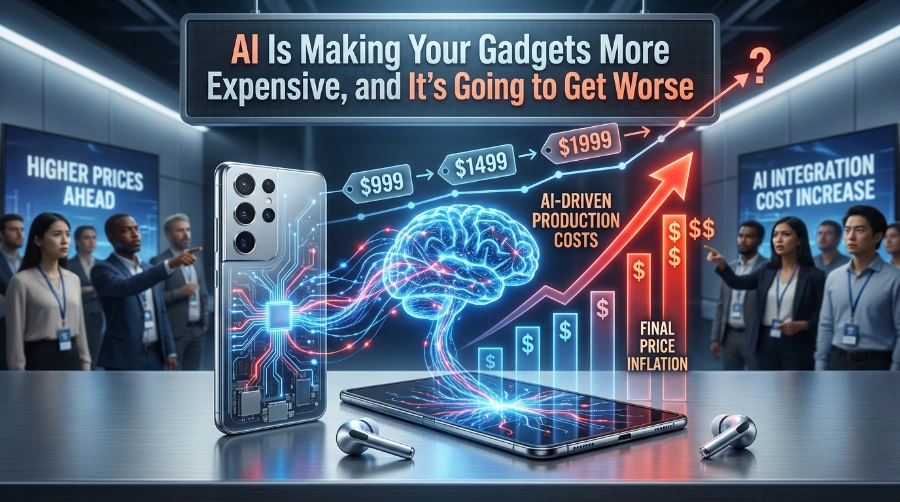
Here’s the short version. AI data centers need enormous amounts of memory chips to run. Samsung, SK Hynix, and Micron together control over 95% of global memory production, according to IDC, and they’ve redirected huge chunks of their output toward high-margin AI server chips. That leaves less supply for everyone else. Less supply means higher prices. Higher prices means companies pass the bill to you.
What’s Already Gone Up
Meta kicked things off this week, raising prices on its entire Quest VR lineup effective April 19. The entry-level Quest 3S jumped from $299.99 to $349.99 and the flagship Quest 3 went from $499.99 to $599.99. Meta’s blog post explanation was at least honest: “The global surge in the price of critical components, specifically memory chips, is impacting almost every category of consumer electronics, including VR.”
Sony beat them to it by a few weeks. The PS5 disc edition rose $100 to $649.99, the digital edition to $599.99, and the PS5 Pro jumped $150 all the way to $899.99, effective April 2. Sony’s “affordable” gaming console now costs more than a lot of people’s rent contribution.
On the laptop side, Dell and Lenovo have both warned of price hikes up to 20%. Microsoft has raised Surface prices significantly, with some models going up by as much as $500. IDC is projecting 15 to 20% increases across the PC industry through the second half of 2026.
Why Your New Gadgets Are Also Getting Worse
This is the part nobody is talking about loudly yet. It’s not just that prices are going up. Some manufacturers are quietly downgrading specs to hold their price points. Consumer Reports flagged that a $600 laptop in 2026 might look identical to the 2025 model but ship with 8GB of RAM instead of 16GB. Same box, worse computer, same price. Great deal.
Smartphone makers are pulling the same move, dropping camera quality and display specs on mid-range models rather than raising sticker prices. Counterpoint Research warned that budget phone prices could still rise 6.9% while the phones themselves get worse. So you get to pay more for less. Fun times.
When Does This End
Possibly not soon. IDC says the memory shortage could last until at least 2027, driven by AI data center demand that keeps outpacing production capacity. New fab capacity from the major chipmakers won’t reach meaningful production until 2027 at the earliest, and IDC’s own forecast doesn’t show prices returning to 2025 levels within any near-term horizon.
The genuinely funny part is that the same companies selling you overpriced gadgets, Meta, Microsoft, Google, Amazon, are also the ones pouring billions into the AI buildout that caused the shortage. They’re competing with you for the same chips.
So next time someone tells you AI is going to save us all, just nod and remember it already cost you an extra hundred bucks on your PlayStation.
Sources: Meta blog post (April 16, 2026), CNBC, TechCrunch, IDC Global Memory Shortage Report (February 2026), Consumer Reports, Counterpoint Research, Tom’s Hardware.
Want more AI stories?
- Nvidia Just Agreed to Backstop $250 Billion So OpenAI Can Buy Nvidia Chips

- Your AI Picked a Lock Last Week and nobody panicked?

- New York Just Slammed the Brakes on AI Data Centers. Who’s Next?